Training Courses

Practical security training, written around your site

Modules are agreed with you before delivery, taught in plain language, and assessed against criteria you have seen in advance. Group sizes are kept small enough for everyone to take part.

How courses are put together

No fixed catalogue

We start with your site

A course proposal follows a short conversation about the premises, the shift pattern, the duties staff hold and the situations you want them prepared for. Modules are then chosen because they answer something on that list.

If a module would not earn its place on the day, it is left out and you are told why.

Delivery that fits a roster

Sessions can be delivered during the working day, at shift changeover, or split across two dates where releasing staff in one block is impractical. Overnight and weekend delivery can be arranged, and is quoted accordingly.

Assessment, not just attendance

Every learner is assessed against criteria agreed with you beforehand — usually a mix of observed practice and a short written element. You receive the outcome for each person, not simply a register of who turned up.

Course list

Modules available

Six module families. Each can be delivered as a standalone session or combined into a longer programme.

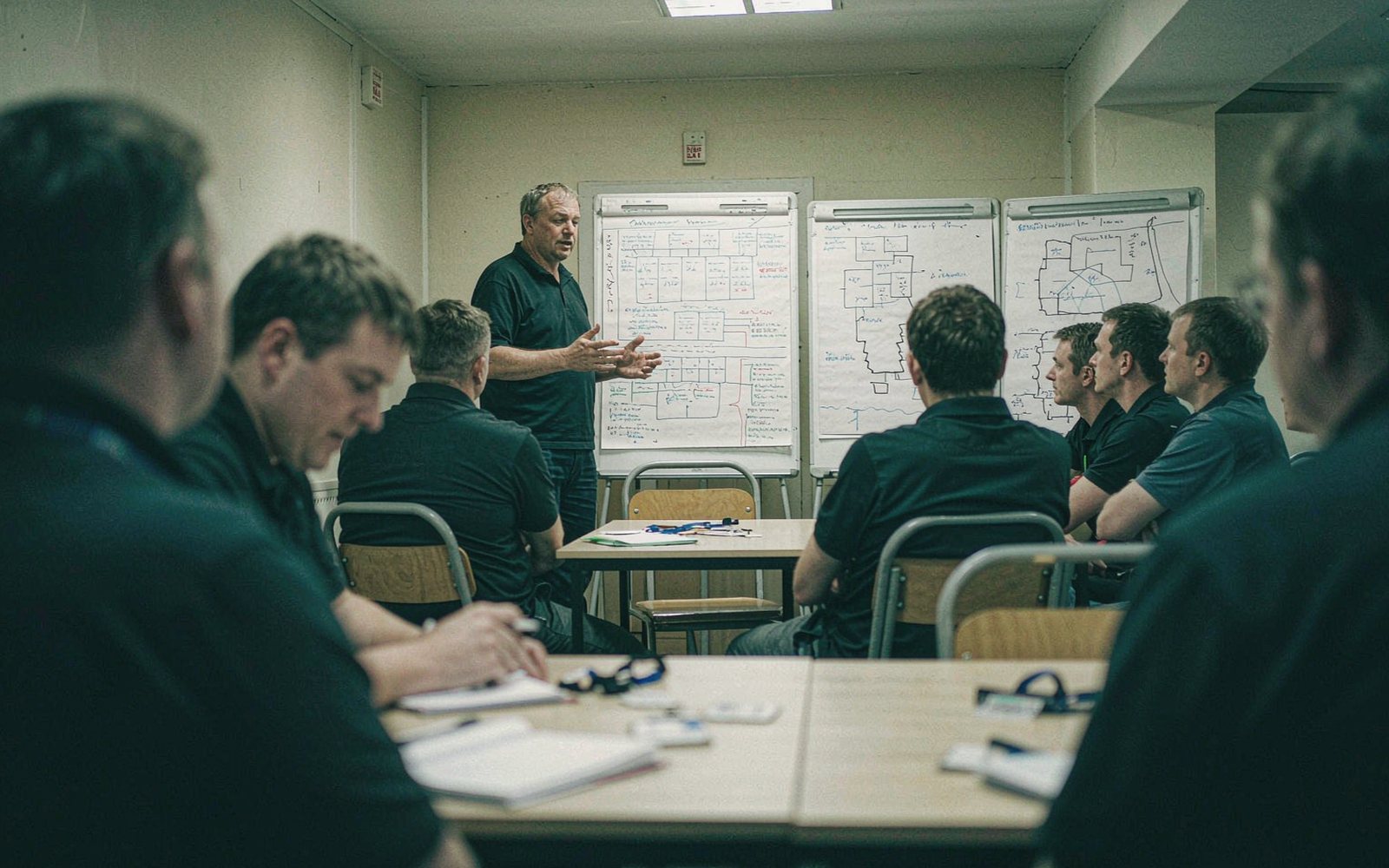
Security training session in a classroom, trainer working through shift patterns

Security Awareness

The foundation module: what security duties involve, how to observe and record, and how to respond proportionately when something happens.

  • Half day, up to 12 learners
  • Observation and recording practice
  • Proportionate response and escalation
  • Scenario discussion with assessed outcome
Request This Module
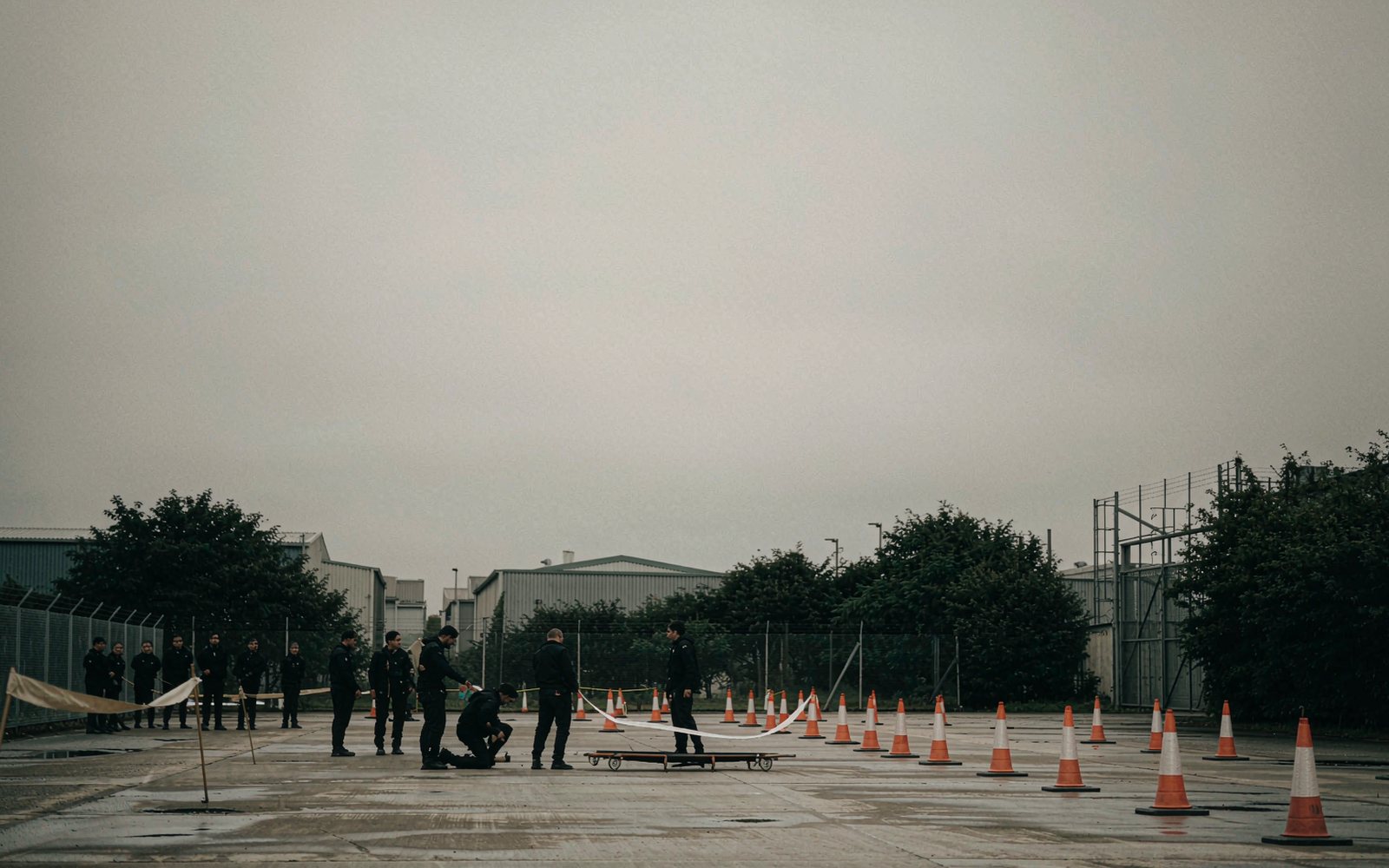
Outdoor training yard laid out with cones and barrier tape

Reception & Access Control

Front-of-house duties: managing entry, visitors and deliveries while keeping the interaction calm and professional.

  • Managing entry, visitors and deliveries
  • Handling difficult conversations at the desk
  • Pass systems and record keeping
  • Escalation routes and who to inform
Request This Module
End-of-course assessment and certificate handover

Patrol & Site Locking

Routine patrol work done properly: what to look for, what to record, and how to hand over accurately at the end of a shift.

  • Patrol routes and timed checks
  • Opening and locking procedures
  • What to look for and what to ignore
  • Accurate handover records
Request This Module
Officer on duty at a school pedestrian entrance at home time

Conflict Management

De-escalation as a practical skill: reading a situation, lowering the temperature, and knowing when to withdraw and call for support.

  • Reading and de-escalating a situation
  • Communication under pressure
  • When to withdraw and escalate
  • Supervised scenario practice
Request This Module
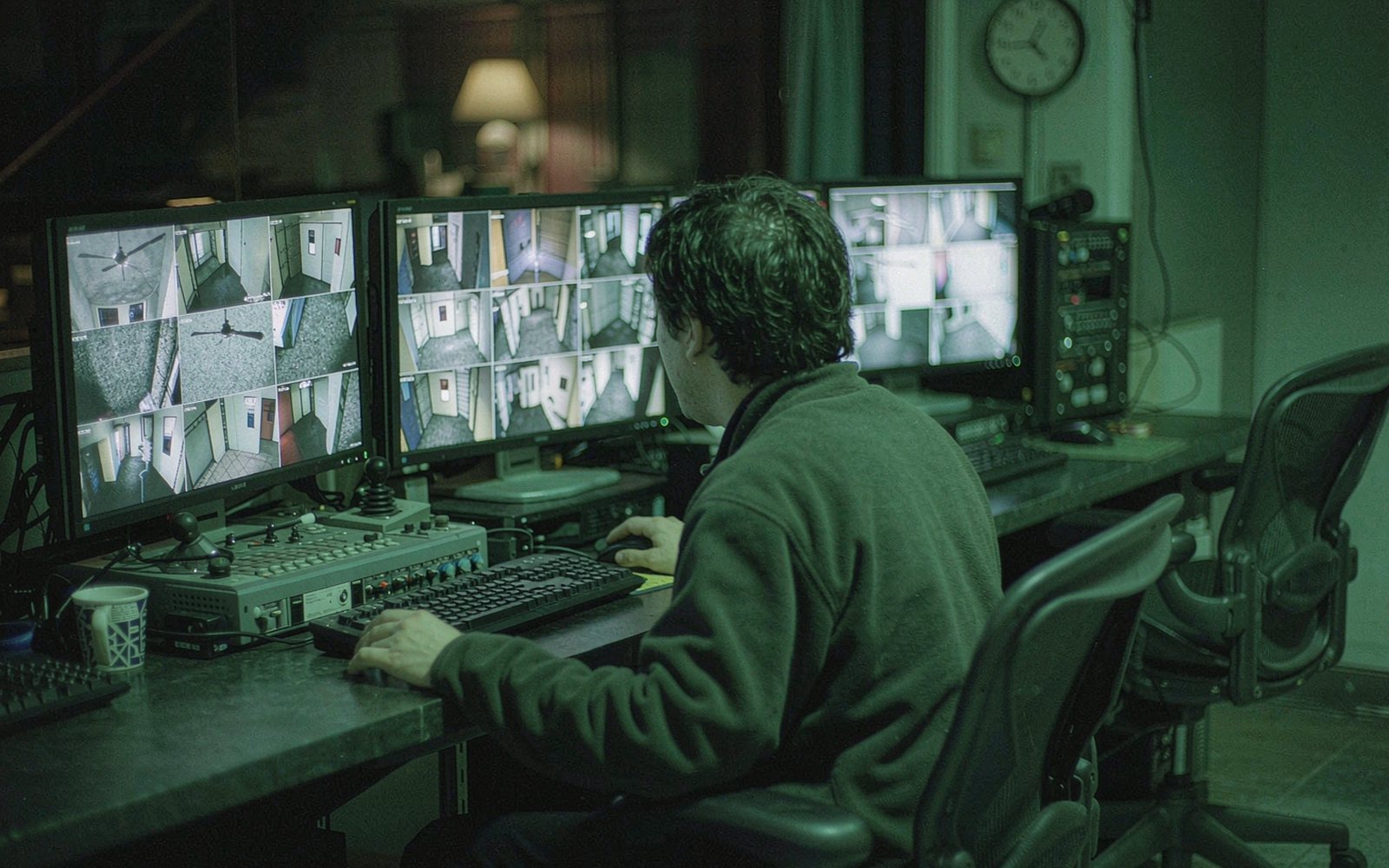
CCTV control room operator monitoring camera feeds overnight

Incident Reporting

Report writing that stands up to scrutiny: what belongs in a record, what does not, and how to describe events without embellishment.

  • Structuring an incident report
  • Factual description and separating opinion
  • Timeframes and continuation sheets
  • Retention and access to records
Request This Module
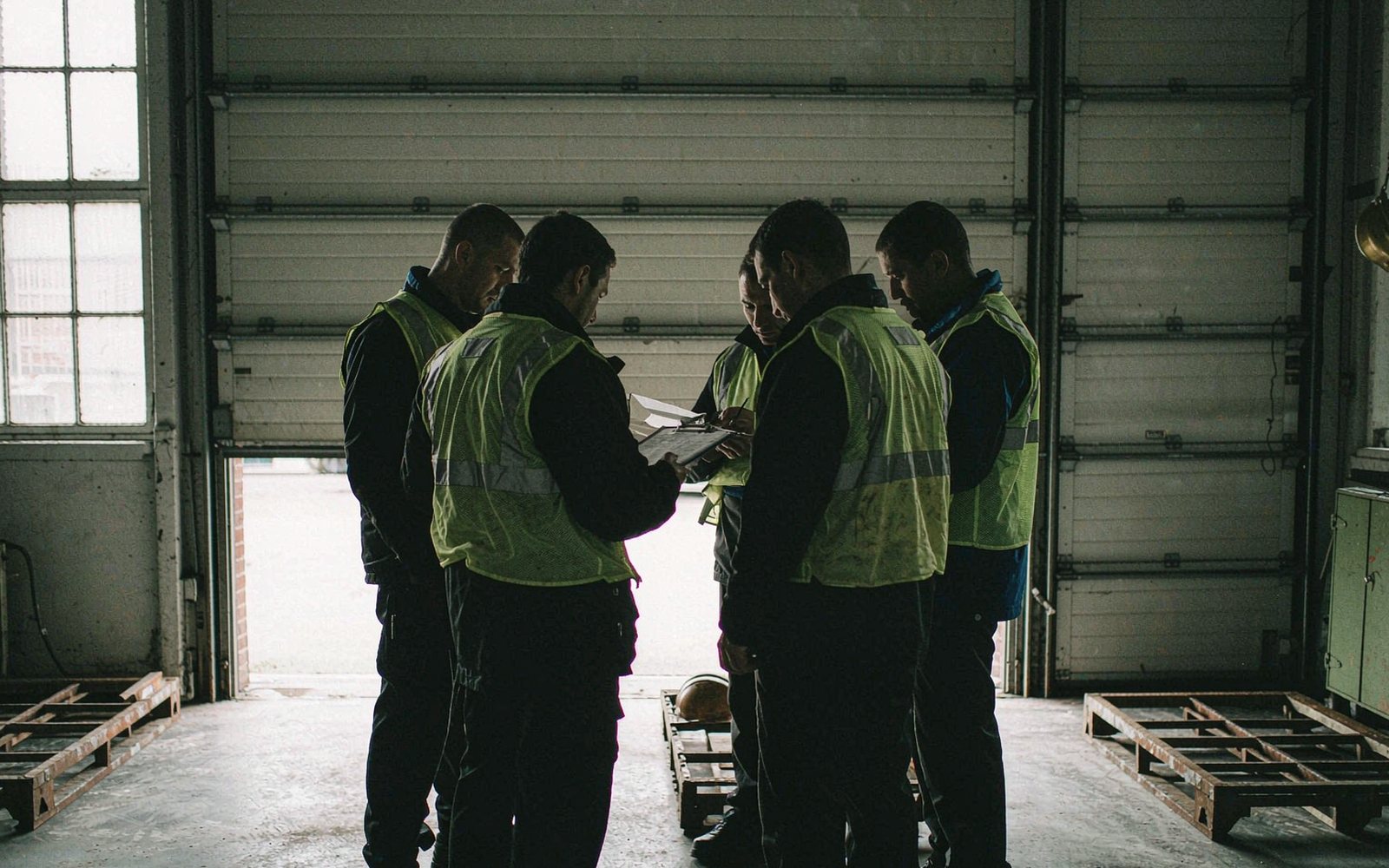
Shift handover briefing before a deployment begins

Supervisor Briefing

For shift leads and managers: how to brief a team before a shift, monitor duties during it, and give useful feedback afterwards.

  • Running a pre-shift briefing
  • Setting and checking expectations
  • Monitoring duties during the shift
  • Feedback that changes behaviour
Request This Module
Incident report being completed on a clipboard

Delivery

Where and how sessions run

Most programmes are delivered at your premises, which keeps the examples concrete and removes travel time for staff. Where a neutral setting suits better, we will say so and propose one.

Group sizes are agreed in advance. Larger cohorts are split rather than pushed into a single session, because the practical element depends on everyone getting time to take part.

  • Delivered at your premises as standard
  • Groups split so everyone takes part
  • Day, shift-changeover or split-date delivery
  • Overnight and weekend dates available on request

Process

From enquiry to completion

STEP 1

Enquiry

You describe the site, the staff and the situations you want covered.

STEP 2

Proposal

We send a proposed module list, session length, group size and cost.

STEP 3

Agreement

Dates are confirmed and assessment criteria signed off.

STEP 4

Delivery

Sessions run, with practice and assessment built into the day.

STEP 5

Records

Outcomes and completion records are passed to you afterwards.

Course rates

Indicative pricing

Per session unless stated otherwise. Rates assume delivery within the United Kingdom during normal working hours; overnight and weekend dates are quoted separately.

Security Awareness

£145

Half day · up to 12 learners

  • Foundation module for staff new to security duties
  • Observation and recording practice
  • Scenario discussion
  • Attendance and outcome record
Request This Service

Reception & Access Control

£165

Half day · up to 10 learners

  • Front-of-house duties
  • Visitor and delivery management
  • Difficult conversation practice
  • Written feedback for managers
Request This Service
Most requested

Workplace Readiness Programme

£185

One day · assessed

  • Combined module programme
  • Role-specific skills development
  • Supervised scenario drills
  • Individual assessment outcomes
Request This Service

Supervisor Briefing

£175

One day · up to 8 learners

  • For shift leads and managers
  • Briefing and monitoring practice
  • Feedback techniques
  • Written summary and recommendations
Request This Service

FAQ

Questions about training

Do learners get a certificate?

Every learner receives a written completion record listing the modules covered and how they performed against the assessment criteria. Where a client needs a certificate in a specific format, we will produce it in that format. Formal accreditation is a separate matter and would be confirmed in writing if it applied to a particular course.

How many learners can one session take?

It depends on the module. Awareness and reporting modules work well with up to twelve; practical modules involving scenario work are capped lower so that everyone gets their turn. The number is agreed in the proposal, not decided on the day.

Can sessions run overnight or at weekends?

Yes. Shift-based businesses often need it. Overnight and weekend delivery is quoted separately because it changes how the day is staffed at our end.

What happens if a learner misses the session?

They can be added to the next available date at no additional charge, provided the missed session is within the same agreed programme. Additional sessions beyond that are quoted as new delivery.

Book a course or ask a question

Tell us the site, the team and the dates you have in mind. We will come back with a proposed module list and a written cost.

Scroll to Top